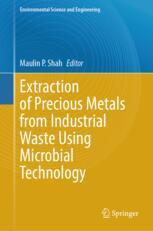
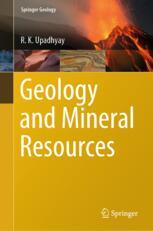
Earth & Environmental Sciences

Essentially everything we as humans need either comes from the Earth directly or depends on its environment in some way. However, just as human history has been shaped by the intrinsic processes of Earth, the planet’s natural processes are now being drastically influenced by humans. Therefore, using physical, biological, and chemical methods, researchers in Earth and Environmental Science fields study geological processes and environmental systems. This research has important implications for the continued success of our species on this planet.

The Earth and Environmental Science eBook Collection brings together up-to-date resources from trusted authors on topics such as water management, ecology, geosciences, environmental biotechnology, and sustainable development. It offers new perspectives on contemporary global problems such as natural disasters and resource depletion.
Top downloaded 2025 eBooks

Subdisciplines & Emerging Fields

  • Sustainable Development 
  • Environmental Management 
  • Water Management
  • Urban Geography 
  • Climate Change


Flexible licensing options for this subject area

Book content in this subject area can be licensed through flexible options designed to support different collection strategies and research needs.

Contact a licensing manager for more information.
 

The full subject collection can be licensed through the eBook Collections model, with continuing access to a comprehensive range of research content.

Specialised bundles within this subject area can be licensed through the Focus Bundle model, for a more targeted approach, offering a curated selection of essential titles aligned to specific research priorities or user demand.

Explore these Focus Bundles:

About the editor

undefined undefined

Dr. Christian Witschel, Editorial Director Earth & Environmental Science Books, studied Geography, Geology and Political Science in Heidelberg. He initially worked as a research assistant at the university and did his doctorate in Geography. In 1989 he joined Springer-Verlag Heidelberg working in various positions in Marketing in the early years before starting as an editor for Geosciences in 1992. He subsequently built up the Environmental Sciences area for the department alongside, and in 2005 took over as head of the Earth and Environmental Sciences department. He then increased his commitment to building a program segment in Geography and, more recently, the interdisciplinary field of Sustainability Research.